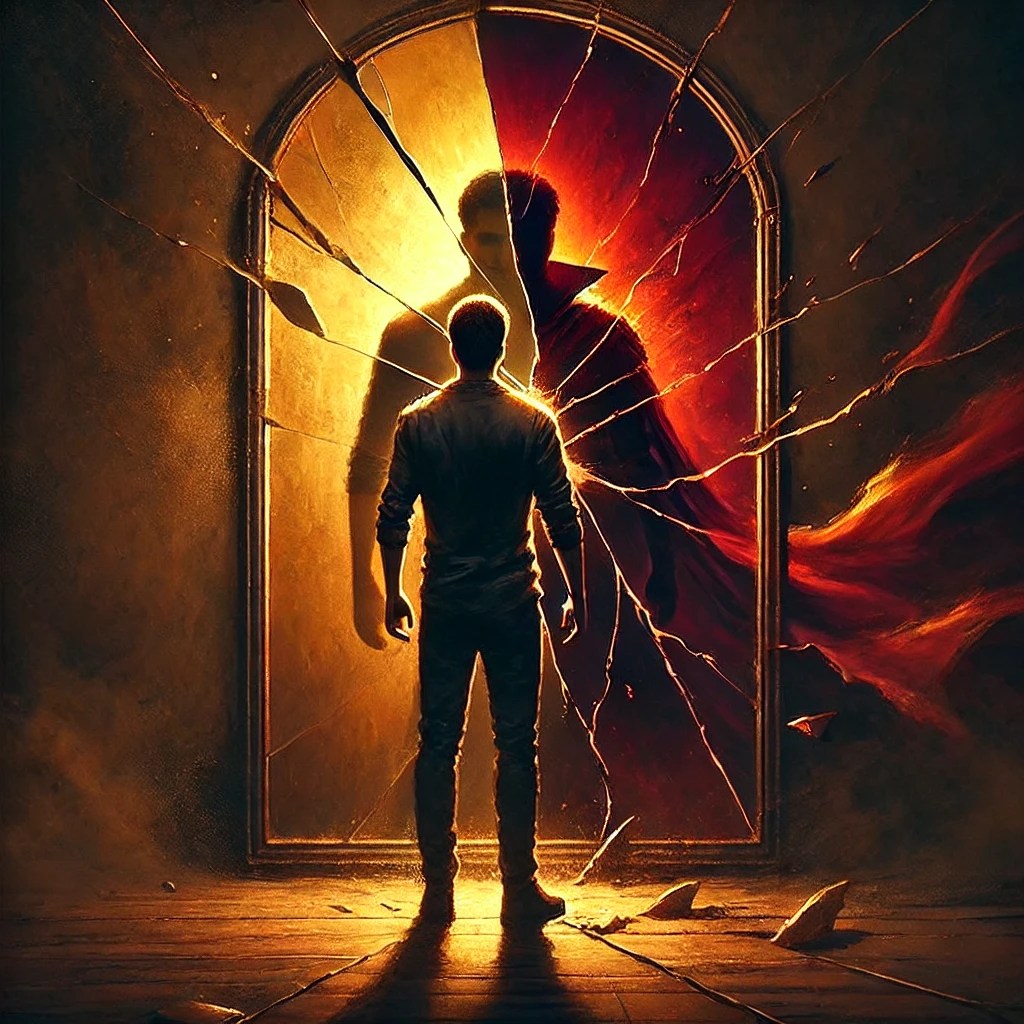
Have you ever stopped to wonder how the world sees you? How different that perception might be from how you see yourself?
In my eyes, I am not a good person—just a person who tries to do good. To most, I am no one, just another face in the crowd. To some, I am a hero, because I was there when they had no one. To others, I am a villain, because I have hurt them, disappointed them, or gone against what they believe. And to my children, I am simply Dad.
The truth is, no person is universally loved. No person is without guilt, without mistakes, without regrets. We all exist in shades of gray, trapped between how we define ourselves and how the world chooses to see us.
That very struggle is woven into the heart of Even Half-Moons Smile. My characters walk this same path:
Toa is condemned before he ever speaks, judged by the sins of his family rather than his own choices.
Honu is cast out for his bloodline, treated as a villain because of where he comes from, not who he is.
Maikoh faces a painful truth—sometimes, doing what we believe is right comes with consequences we never intended.
Sound familiar? It should. Because this isn’t just fiction—this is life.
We are all the hero in some stories and the villain in others. We are all misjudged, misunderstood, and mislabeled at some point in our lives. And maybe the most painful part is that we will never have full control over how others see us.
But here’s the question that Even Half-Moons Smile asks: Does perception define us? Or do we define ourselves?
I can’t answer that for you. But maybe, if you walk this journey with Toa, Honu, and Maikoh, you’ll find your own.
 Ink & Shadows: The Words of Osiris j Reapor
Leave a comment